
Coffee is much more than just a morning pick-me-up. In recent years, a movement has developed that treats coffee similarly to fine wine or premium whisky. The term "specialty coffee" is increasingly common. But what exactly does it mean?
Definition of specialty coffee
Specialty coffee refers to coffee beans of exceptionally high quality that differ significantly from mass-produced coffee. Officially, a coffee is considered specialty coffee if it achieves at least 80 out of 100 points in a professional tasting (cupping) according to the standards of the Specialty Coffee Association (SCA) .
This evaluation is based on clear criteria such as aroma, taste, acidity, body, balance, and aftertaste. Only a few coffees worldwide meet these high standards.
Origin and cultivation
Specialty coffee almost always comes from clearly defined growing regions , often even from a single farm or cooperative. The beans grow at higher altitudes, usually between 1,200 and 2,000 meters, where the climate offers ideal conditions.
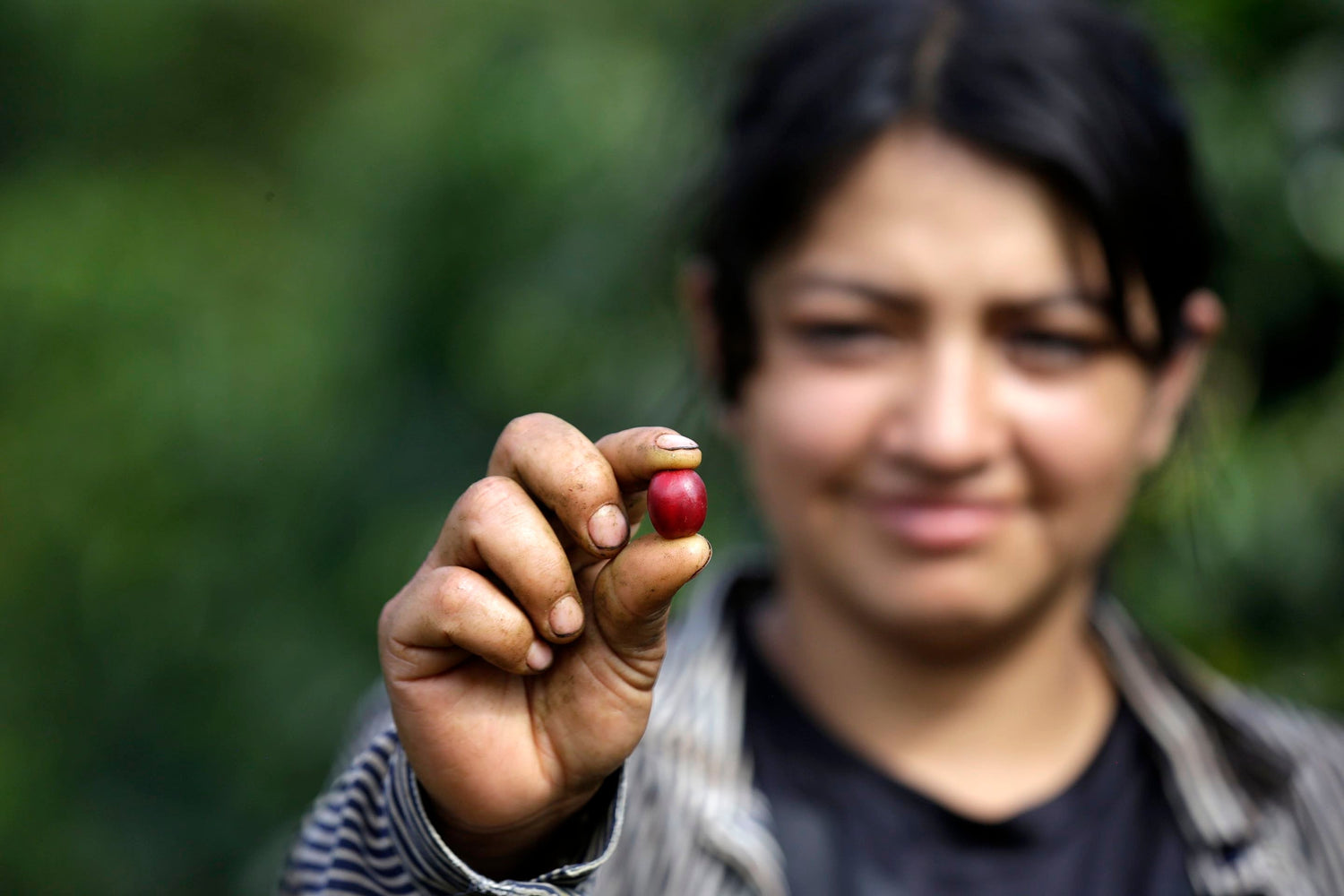
The coffee cherries are picked by hand , with only the ripe fruits being harvested. This careful selection ensures that complex aromas can develop.
Processing and roasting
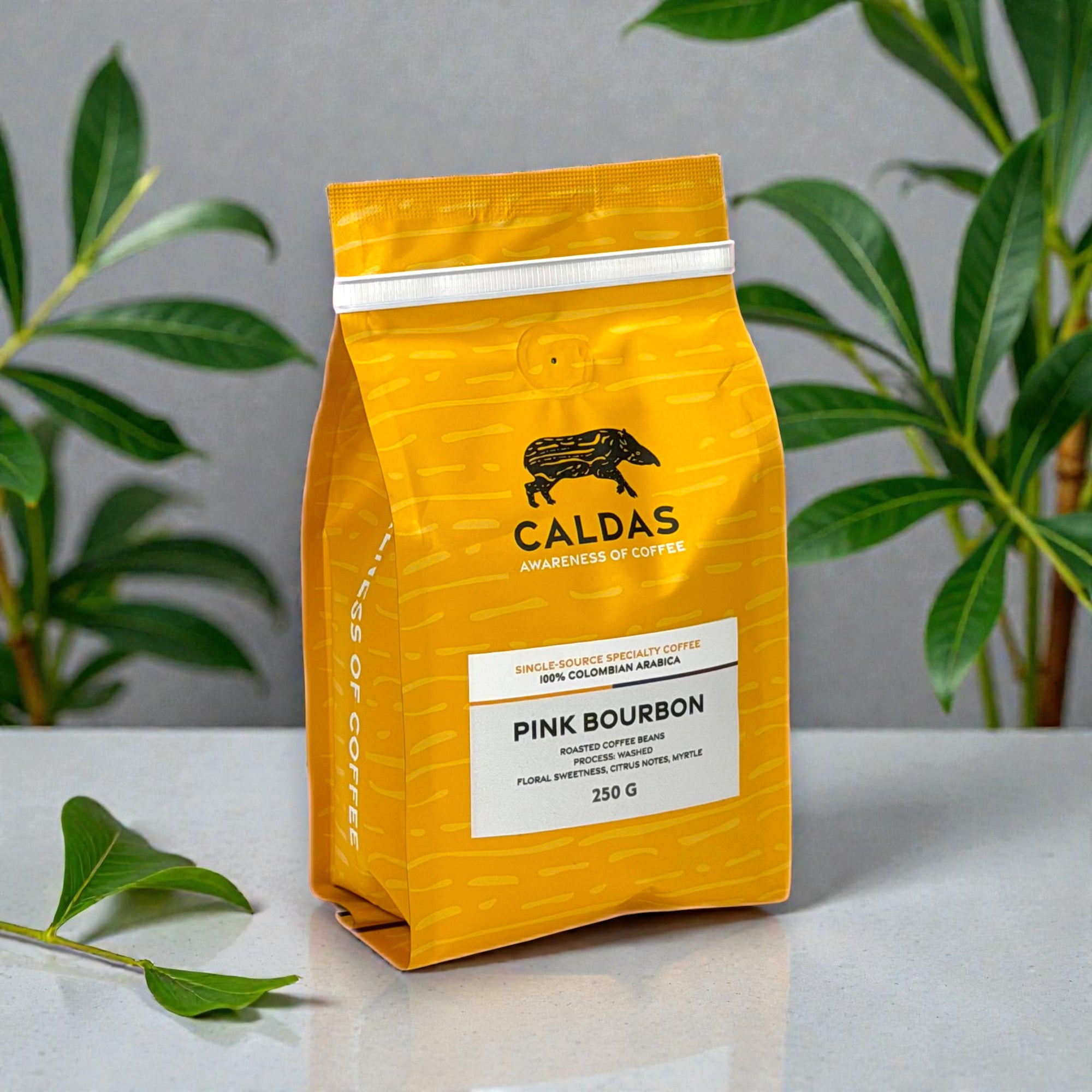
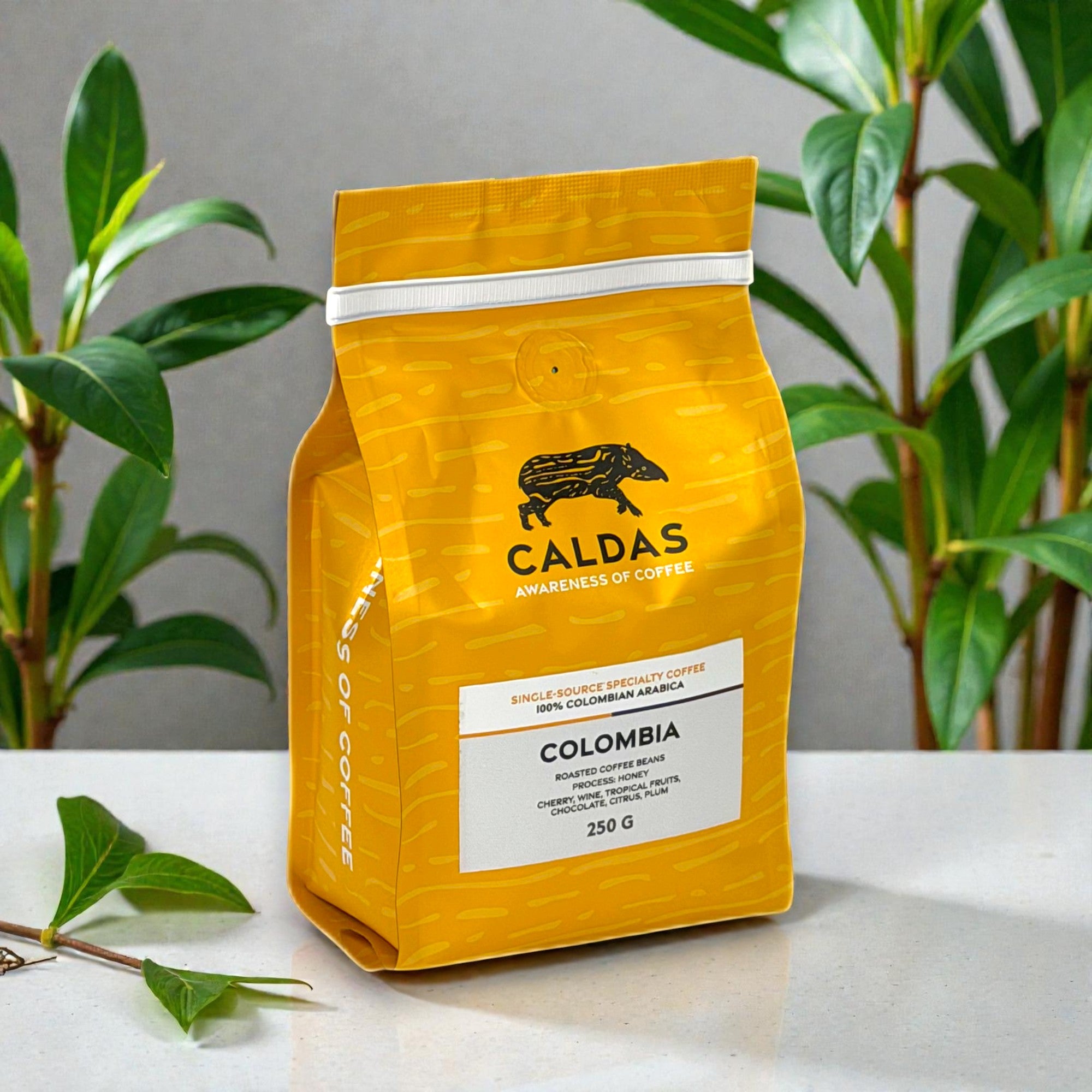
After harvesting, great importance is placed on the processing method – whether washed, honey, or natural. Each method significantly influences the final flavor profile.
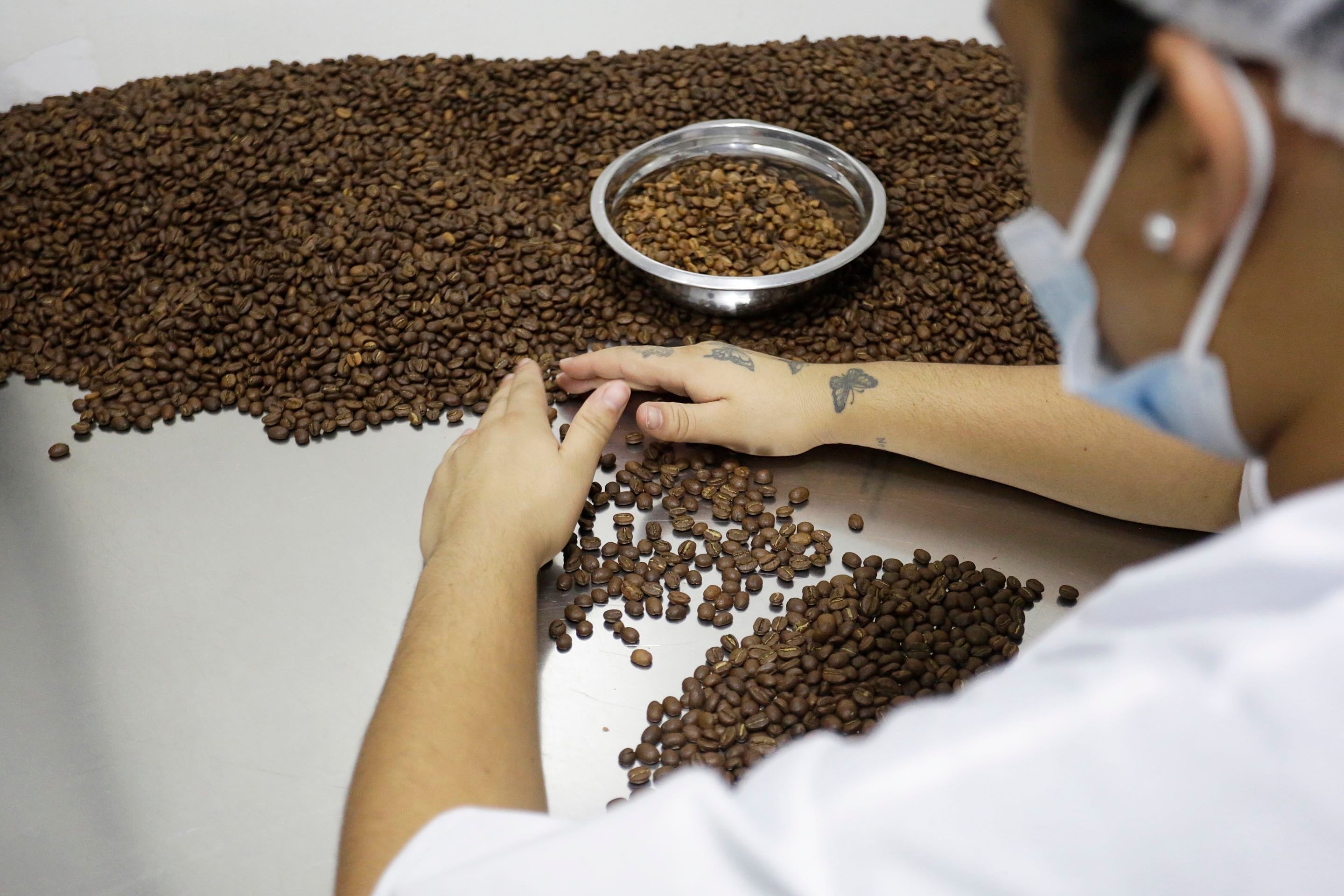
The roasting process also differs: specialty coffee is usually roasted gently and in small batches. The aim is to highlight the characteristic aromas of the beans – not to mask them.
Taste and experience
While conventional coffee is often perceived as simply "bitter" or "strong," specialty coffee offers a wide variety of flavor notes . Depending on the variety and origin, nuances of berries, chocolate, citrus fruits, or floral notes can be detected.
This makes every cup a taste experience – and invites you to consciously enjoy coffee.
Sustainability and fairness
Another important aspect: Specialty coffee often stands for sustainable cultivation and fair payment for producers. Many smallholder farming families can make a living from their crops in the long term thanks to the higher prices for specialty coffee, while simultaneously protecting the environment.
Top 5 reasons for specialty coffee
- Unique flavor profiles – from fruity to chocolatey to floral.
- Traceable origin – you know exactly which farm your beans come from.
- Gentle processing – hand-picked, carefully sorted and slowly roasted.
- Fairness for producers – better prices enable sustainable agriculture.
- Coffee enjoyment on a new level – every cup becomes a special experience.
FAQ about specialty coffee
1. Is specialty coffee always more expensive?
Yes, usually – but the higher price reflects the quality, fair wages and handcraftsmanship.
2. Is it possible to prepare specialty coffee at home?
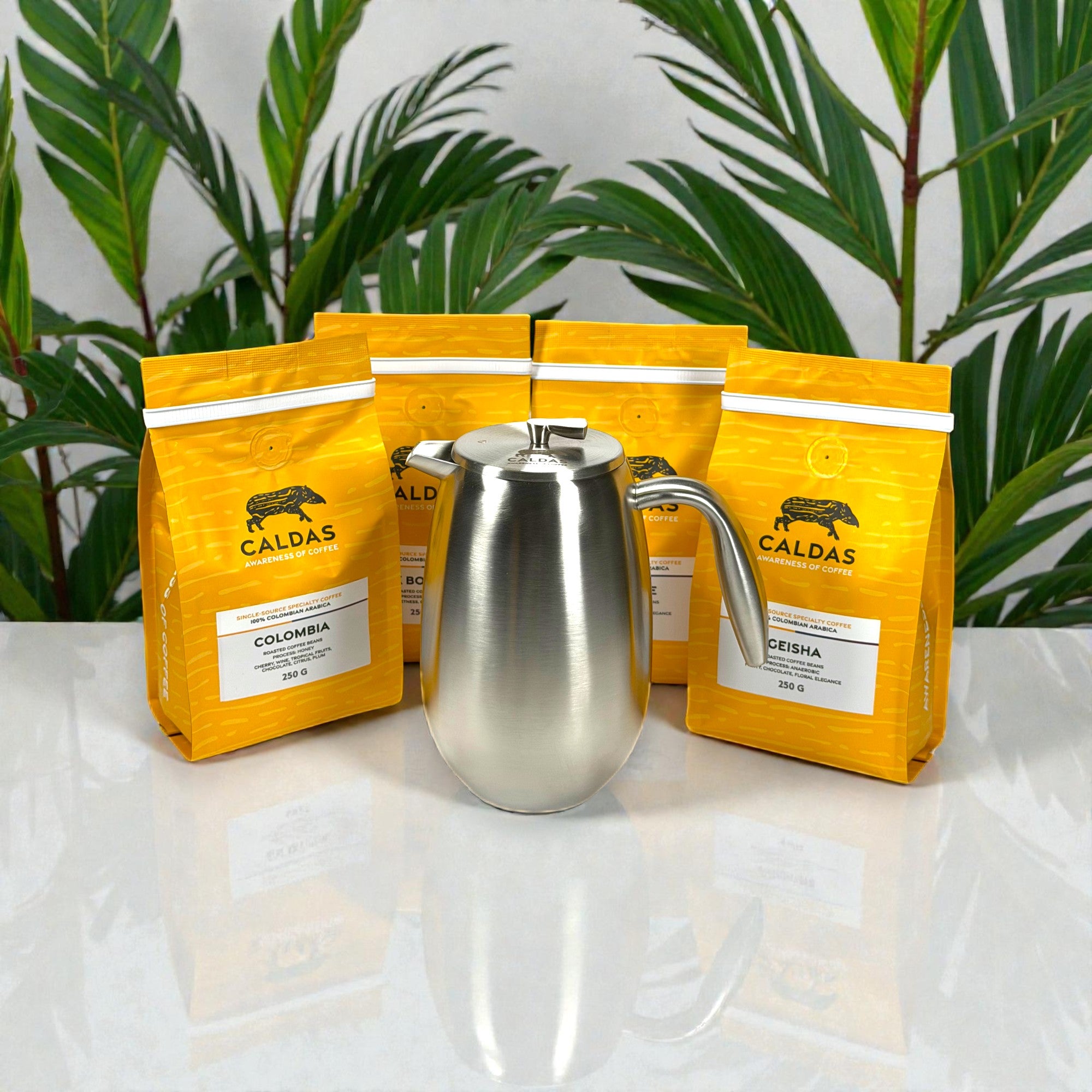
Absolutely! Whether with a portafilter, French press or V60 – the right preparation brings out the aromas perfectly.
3. Does specialty coffee always taste the same?
No. Every coffee has its own aroma profile, depending on altitude, soil, climate, processing and roasting.
4. Is there also decaffeinated specialty coffee?
Yes, even decaffeinated versions can meet quality standards and be convincing in terms of taste.
5. Why is it often referred to as "Third Wave Coffee"?
This refers to the movement that no longer sees coffee as a mass-produced product, but as a luxury item of the highest quality – just like specialty coffee.




Leave a comment
This site is protected by hCaptcha and the hCaptcha Privacy Policy and Terms of Service apply.